Touring the Pacific School of Inquiry & Innovation (PSII) was an enlightening experience. So, I want to centre my first reflection around inquiry-based learning – specifically, the (pretty radical) model that Jeff Hopkins and his colleagues have developed at PSII.
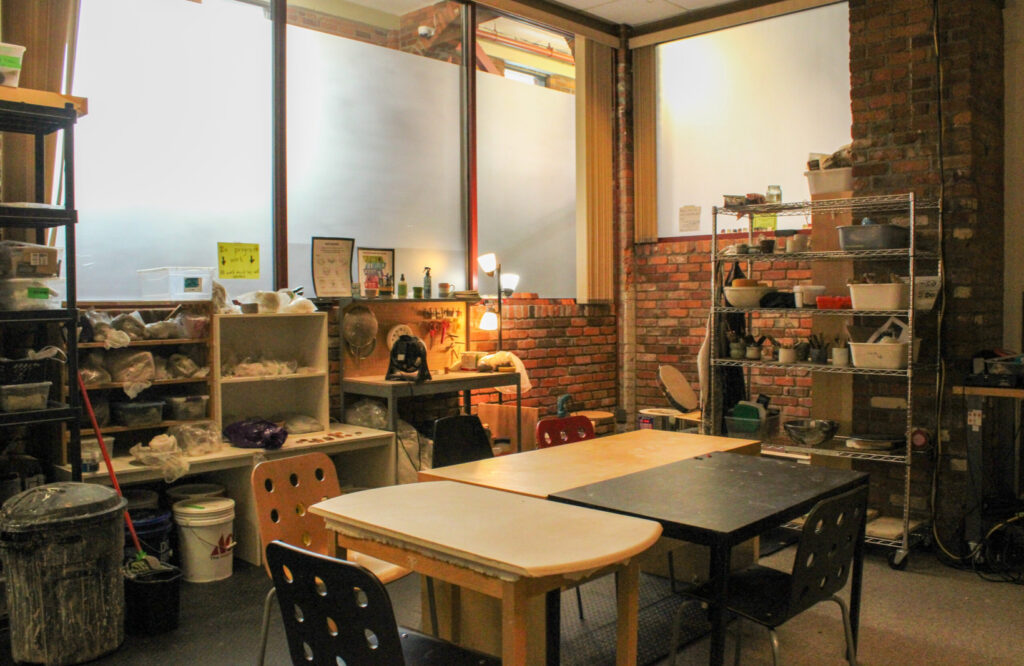
Pacific School of Inquiry & Innovation
Do we need to reimagine education?
We need to reimagine education. The current model has kids slipping through the cracks. Not everyone’s support needs are met, and gifted students are often not challenged. Once you’ve learned something, it’s done, and we don’t leave a lot of room for deeper exploration, creativity, or extension.
On top of that, the world is changing rapidly, so of course the ways we prepare young people to interact with and make sense of the world must change as well. We are living in a time shaped by rapidly evolving technologies (case and point – AI!), accompanied by a renewed importance of communication and face-to-face skills. Our learners are inheriting unprecedented global challenges, e.g., the climate crisis, political instability, and the lasting impacts of the COVID-19 pandemic.
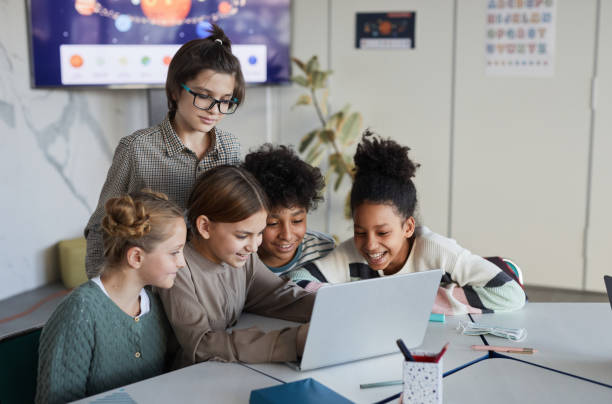
PSII felt a lot like a real-world workspace. Walking through the school had the same vibe as touring this AI startup that some of my peers from high school created… it was cool to see small groups of students chatting and plotting ideas on a whiteboard, others hunched over computers developing code, and still others poring over books in the library. Encouraging project-based learning is obviously a great way to prepare kids for how work gets done in many fields (especially corporate jobs) – I can’t think of anyone who reads a textbook and gets tested on their retention for a career! With the unprecedented access we have to information today via search engines and generative artificial intelligence chatbots, this kind of learning is redundant – you can just look it up if you forget! Instead, we need to give opportunities for students to discover and practice skills that help them tackle projects and problems.
Obstacles to shaking it up
One major obstacle teachers face when trying to reimagine education is interacting with existing systems. What is the use of teaching differently if students are just going to pass into typical lecture- and test-based learning in high school and university?
I feel torn between wanting to do what I think is best for kids – I LOVE the PSII model and want to incorporate as much open inquiry into my teaching as possible – and wanting to equip students for success within the world we’re currently living in.
a summary of my thoughts on adopting a full-on open inquiry model
We need to recognize the greater forces at play – unfortunately, students still need to do well on tests to get into universities, and need high GPAs for grad school, internships, and jobs. We are operating within a competitive, capitalist, individualistic society, where grades still have consequences. I think all the time about how I got offered a scholarship to UVic essentially just based on my high school average (arguably the least interesting part of my high school experience). Of course, I want my students to find success in the world we’re in.
A challenge of shaking up education is that other systems are slow to shake alongside you. Other teachers at your school, or schools in your district, might be hesitant to adopt changes, and then your students could end up at a disadvantage.
That being said, things are definitely moving in right direction. For example, universities like UBC are including a personal profile in their application – this would be a great place for students to showcase their discoveries and growth through the inquiry projects they engaged in throughout their time at school.
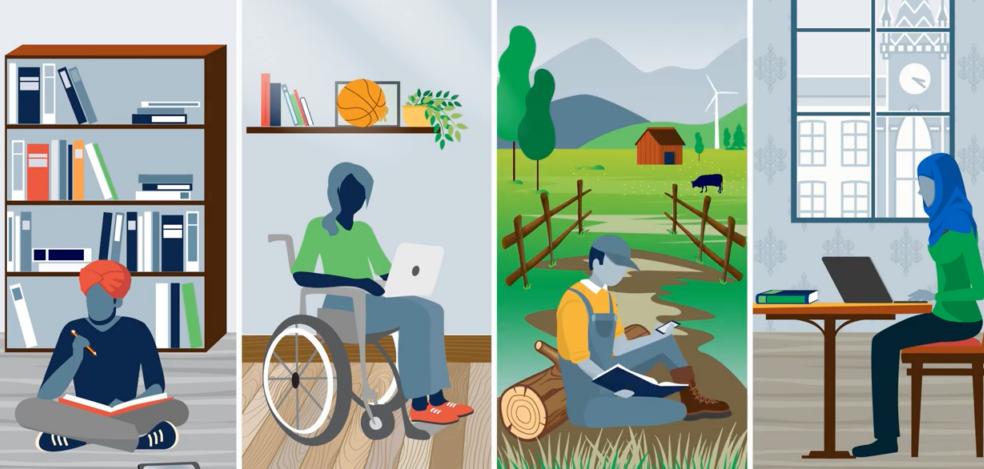
I think we need systemic change at all levels of the education system – unfortunately, the ability of a single teacher to shake up how we educate the next generation is limited. But, if we work together, we can get there – Jeff’s work at PSII and with teachers around the world is a success story!
Concerns and excitement
One concern I have about an inquiry-based approach is whether students might miss key foundational skills. How does inquiry-based learning work when helping young students develop literacy skills? What about math?
I also wonder if, when learning is so self-directed, students might only study what they are already interested in (or in other words, comfortable with) and not push themselves to try things they might actually end up enjoying or being good at. I would like to learn more about how teachers in inquiry schools balance student vs autonomy and making sure all students are challenged (think Vygotsky’s zone of proximal development).
At the same time, I am really excited about the freedom, and choice this model offers. The student buy-in at PSII was amazing. Students seemed more accountable for their learning when they got to direct it. It also felt much more like the real world. Learning was active, collaborative, and meaningful, rather than passive and performative. I have a little bit of experience with inquiry as a student… my Grade 5, 6, and 7 teachers were huge proponents of inquiry-based learning and I LOVED it – especially because it gave young me a chance to explore my specific interests. I found a couple of my old inquiry projects and you can peruse them if you’re curious to see what inquiry in a 2010s classroom looked like 🙂
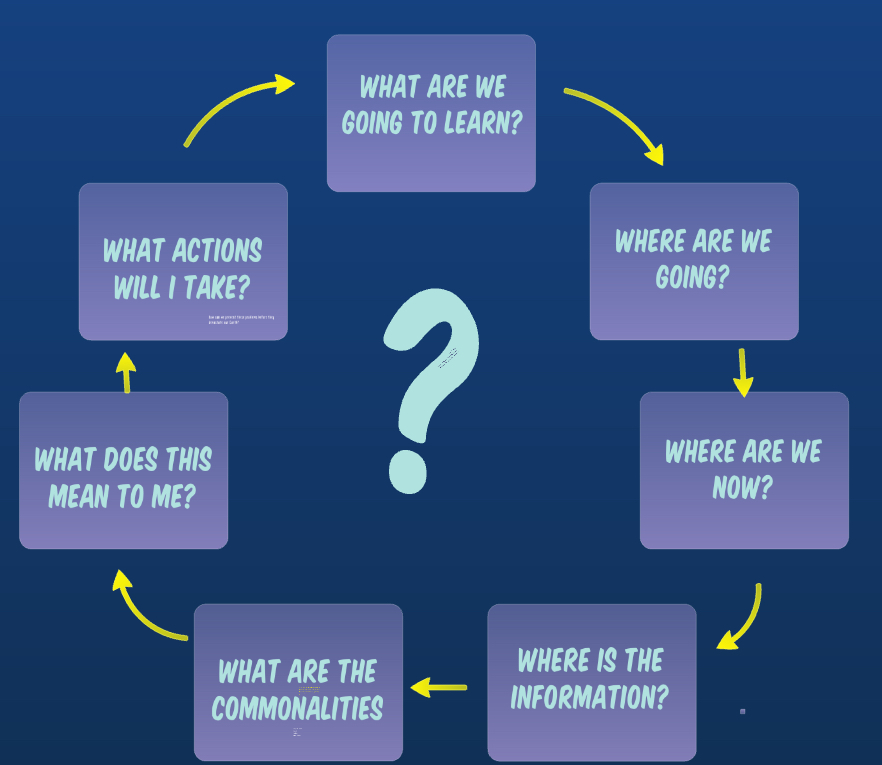

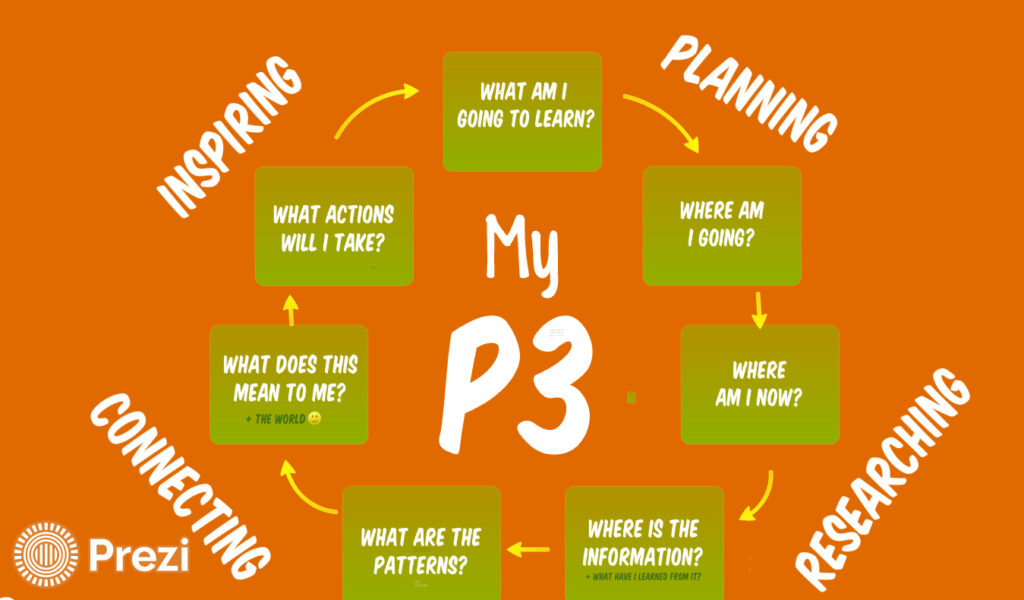
- https://prezi.com/npnisjno_jga/an-inquiry-into-the-daily-life-of-the-vikings-grade-7-socials
- https://prezi.com/-6-r6ocdibup/grade-6-inquiry-project-how-might-global-warming-and-rising-sea-levels-affect-quality-of-life-worldwide/
- https://prezi.com/llvaf9g8jo5u/grade-7-passion-project-the-impact-of-vegetarianism/
I’m excited to learn more about inquiry and bring it into my own classroom soon! That’s it for now!
Macy, this is an excellent post! Great visuals, layout, font use, and links. Thanks for mentioning your high school colleagues’ start-up company. Yes, AI opens new business opportunities in improving services and support for those who offer it, not unlike what we hope for in education.
Inquiry thrives when planned for and guided, and when students engaging in focused exploration have the skills to learn and thrive. What you saw was the surface, the planning, time, and structure developed to accomplish what you saw is rich and deep. I do believe that inquiry is a great tool that can be adopted in elementary classrooms.
I hear your frustration with a system built on information transfer (“What is the use of teaching differently if students are just going to pass into typical lecture- and test-based learning in high school and university?”). If AI can complete the task or the test, then we are assessing the wrong things. I believe skilled, self-determined students can navigate through that future, should it exist for them later. However, I don’t believe that to be the future in education.
You indicate that “systemic change at all levels of the education system” is needed and difficult to achieve, if at all. I believe in the importance of one teacher. Change is contagious and principled. You need to decide how you will navigate through bureaucracies that impede (said the person who walked away from them many times, but chose to influence from the outside).
Your concern about inquiry is that “when learning is so self-directed, students might only study what they are already interested in (or in other words, comfortable with) and not push themselves”. That is our role as teachers – we guide, persist, cajole, encourage, help, and, yes, maybe push.
Thanks for a great post to read first thing to start my day!